How to Effectively Mount a Truck Camper
Mounting a truck camper can seem daunting, but with the right approach, it becomes a manageable task that opens up a world of adventure. Whether you’re a seasoned traveler or new to the camping scene, understanding the process is key to ensuring safety and stability on your journeys. This guide will walk you through the essentials of mounting a truck camper, helping you enjoy your travels without worry.

Preparing Your Truck and Camper
Before you begin, it’s crucial to ensure your truck is ready to support the camper. Start by checking your truck’s payload capacity. This information is typically found in the owner’s manual or on the manufacturer’s website. Exceeding this limit can lead to unsafe driving conditions and potential damage.
Next, inspect the camper’s tie-down points and the truck bed. Ensure they are compatible and in good condition. If necessary, invest in high-quality tie-downs and turnbuckles designed specifically for truck campers. These components are essential for securing the camper firmly to your vehicle.
Aligning the Camper with Your Truck
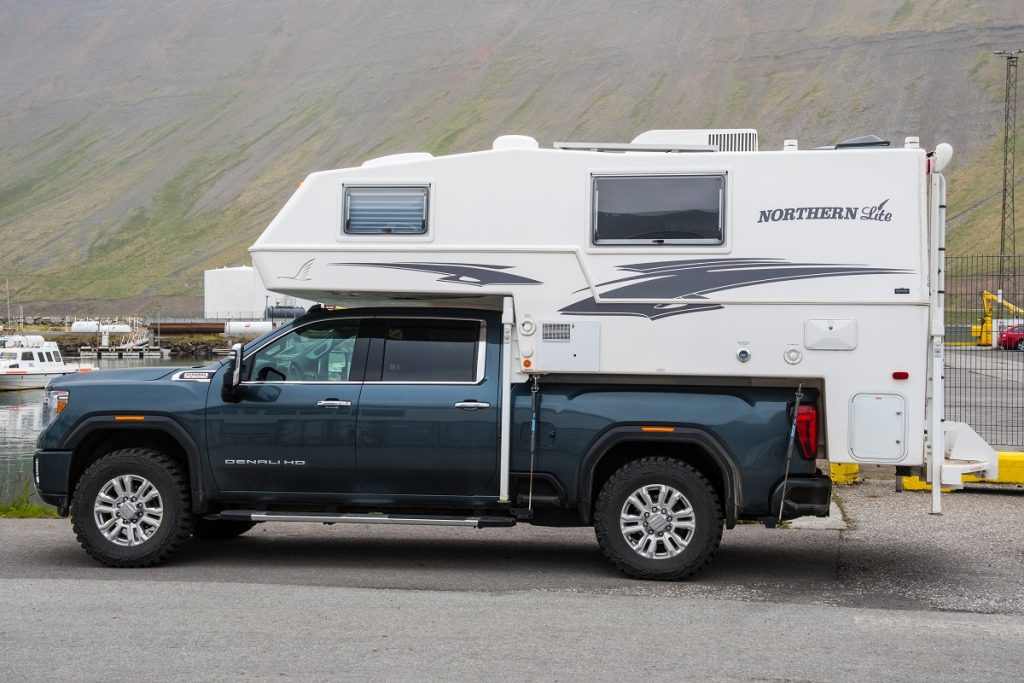
Positioning the camper correctly is vital for a successful mount. Begin by parking your truck on a flat, stable surface. Use wheel chocks to prevent any movement during the process. With the camper jacks extended, align the camper with the truck bed, ensuring it is centered. This alignment prevents uneven weight distribution, which can affect driving dynamics.
Securing the Camper
Once aligned, slowly back your truck under the camper until it is fully supported by the truck bed. Lower the camper onto the truck using the jacks, adjusting as necessary to maintain alignment. When the camper is securely resting on the truck bed, attach the tie-downs and turnbuckles. Tighten them evenly to prevent shifting during travel.
Ensure all connections are secure before hitting the road. It’s also wise to check them periodically during your journey, especially after traveling on rough terrain.
Final Checks and Considerations
Before setting off, conduct a final inspection. Verify that all electrical connections between your truck and camper are functioning, including lights and any additional systems. Check that all doors and windows are closed and locked. It’s also helpful to distribute your cargo evenly within the camper to maintain balance.
Remember, driving with a truck camper requires some adjustments. Take turns slowly, allow extra stopping distance, and be mindful of height restrictions.
At Harvey RV and Marine in Bangor, ME, we understand that embarking on your next adventure requires confidence in your equipment. Our team is dedicated to providing you with top-notch products and expert advice to ensure a seamless experience. Visit us today to explore our range of campers and accessories, and let us help you create unforgettable memories on the road.